

Trauma Therapy for Women in Maryland, DC, and Virginia
Trauma Therapy for Women FAQ:
-
Trauma therapy for women at Joanne Bagshaw & Associates is individual counseling focused on the issues women commonly carry in a patriarchal culture—like trauma, burnout, boundaries, racial trauma, self-criticism, therapy for depression and trauma, and sexual dissatisfaction—so you can feel more grounded, connected, and alive.
-
Yes! Trauma-informed therapy is a universal approach to understanding the impact that trauma has on people’s lives, to create safety and avoid retraumatization. We’re trauma therapists, and we work directly with clients to process and resolve traumatic experiences. We work with how trauma shows up in the present—emotionally, relationally, and in the body. All therapists should be trauma-informed, but not all therapists are trauma therapists.
In addition to somatic therapies like sensorimotor psychotherapy and core energetics, trauma therapists at Joanne Bagshaw & Associates use a feminist and systemic lens to help you understand what happened and why. We are also experts at helping you understand and heal from the relational and sexual impact of trauma.
-
Yes. Trauma can shape desire, pleasure, and your sense of safety in intimacy. If you’ve lost interest in sex, feel disconnected from your body, or haven’t had an orgasm in years, therapy can help you understand what’s happening and create a path back to pleasure that’s yours. Learn more about sex therapy here.
-
Yes. Even if sexuality is only one part of what you’re struggling with, we look at you holistically and systemically—your history, relationships, culture, and the patterns that keep you stuck—so you don’t have to separate “sex” from the rest of your well-being.
-
Yes! Trauma therapy for women is our specialty, but also work with all genders.
Is Depression or Anxiety Affecting your Sex Life?
Is trauma from your past impacting you in ways that make happiness unattainable? Have you lost your desire for sex or intimacy? Are you still plagued by patterns and anxieties you thought you left in the past?
Perhaps on the outside, it looks like you have it all together. Although you’ve achieved the goals you set out to attain—a nice home, good career, stable relationship—inwardly, something is missing. You feel unsatisfied in a fundamental way that’s holding you back from fulfillment.
Despite your successes, your life is impacted by unresolved trauma that’s still causing problems in your relationship. Perhaps you haven’t had an orgasm in years and struggle with intimacy. You may find it hard to trust your partner and may feel like you overreact to their behavior at times.
You may have grown weary and resentful of trying to set boundaries with friends and family members. Because it’s hard for you to express your needs to get what you want, you might feel taken advantage of and agree to things you really don’t want to do. On top of it all, you’re trying to work—and perhaps parent—during a pandemic that seems like it will never end.
Although your life isn’t in crisis, you wonder why you’re not experiencing joy. You may even feel guilty for being dissatisfied since, by anyone’s standards, you should be happy. But deep down, you know you’re not living up to your true potential.
Fortunately, therapy for women offers individual counseling to discuss your concerns about sexual intimacy caused by trauma. Counseling for women can help you heal from the past so you can move into the future experiencing more pleasure
Are You Successful, But You Feel Like You’re Not Living Up To Your Potential?
Why Women in Maryland, DC, and Virginia benefit from Trauma Counseling: In A Patriarchal Culture, We Carry More Emotional Scars
For time immemorial, women have learned to adapt to an inherently patriarchal culture. Because of ongoing sexism and power-based violence, we experience higher rates of stress, depression, eating disorders, insomnia, and anxiety than men. Furthermore, a recent study found that Black women who have experienced more racism throughout their lives have stronger brain responses to threat, which may hurt their long-term health.
Wellness Culture Damages Our Mental Health
A lack of adequate sex education, combined with a culture that emphasizes female self-improvement over female acceptance, contributes to women’s poor mental health. The wellness culture we are immersed in is obsessed with the idea of women improving themselves.
Whether it’s our appearance, our health and diet, or our emotional lives, we are constantly told we should be “working” on ourselves, leaving us feeling as though we are inherently flawed.
Recent Blogs





Are you a High-Achiever Experiencing Burnout?
On top of the unrealistic standards we’re expected to maintain, unresolved past trauma can impact our ability to express feelings—either feeling too much or too little—or cause physical pain in our body, which we may not initially relate back to the trauma. If we have a history of sexual abuse or assault, we may believe we owe our partner sex to maintain a happy relationship. This belief that we “owe” our partner sex may trigger memories of the abuse, making even consensual sex unwanted.
Even though women are resilient, when we try to move on from trauma and get over it on our own, it doesn’t work. We may be highly functioning and achievement-oriented, but being strong and doing everything on our own can lead to burnout. Worldly success doesn’t address the unresolved pain we carry.
When you are plagued by your past, you need expert guidance to explore the implications of trauma and learn how to overcome what’s holding you back. Therapy for women can provide you with that guidance, helping you resolve trauma and uncover newfound joy.

Therapy for Relationship Trauma: You Deserve to Experience Joy & Pleasure
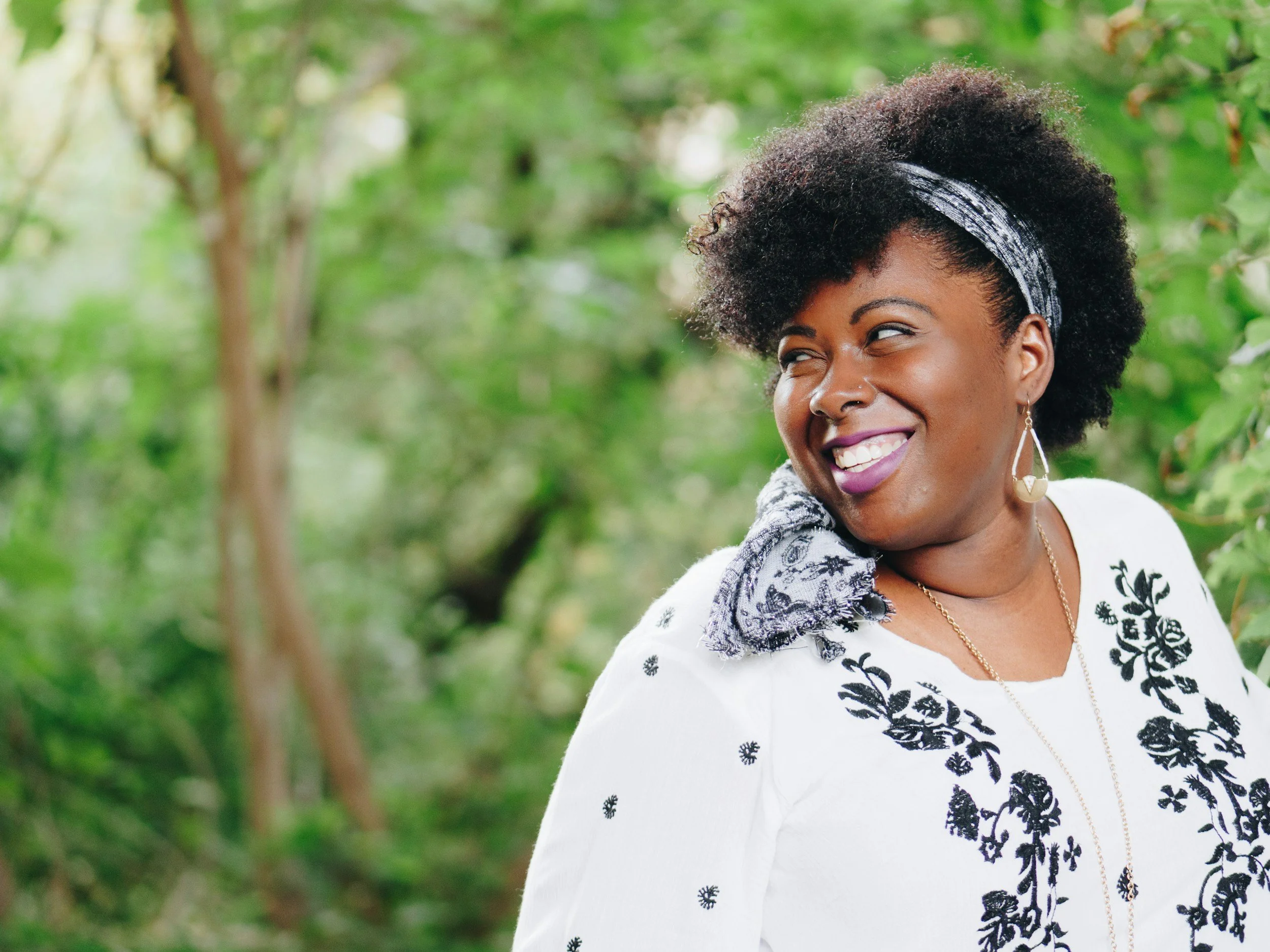
Although you realize that sexual or racial trauma is holding you back, you may not understand the extent to which it impacts all aspects of your relationships. Because you’ve achieved success, you might not have paid attention to the ways unresolved trauma has prevented you from establishing intimacy and experiencing pleasure.
Counseling tailored for women allows you to address the issues that affect your expression of sexuality and ability to experience pleasure. Not only can counseling help you heal from past trauma, but it can also foster empowerment and improve your self-esteem.
We will establish a safe and supportive environment and ensure sessions move at a comfortable pace. By normalizing subjects you might not be used to talking about—such as sexuality, systemic racism, or sexism—we will give context to the challenges you’re having. Understanding the influences our culture has had on your experience is the first step in alleviating self-blame or shame.
You will learn how to change life patterns that are no longer serving you, as well as how to set boundaries that will ensure getting your needs met. Counseling will encourage you to center yourself in your life so that pleasure no longer takes a back seat. With compassionate support, we will help you experience the joy you deserve.
Signs You May Need Trauma Therapy
Feeling disconnected from yourself or your body
Difficulty with intimacy or relationships
Anxiety, overthinking, or emotional overwhelm
History of sexual trauma or relationship trauma that you think you, “should be over by now.”
What to Expect in Sessions
In our initial session, we will begin by hearing about your life today and your current challenges. Over time, we will invite you to tell your life story. Hearing it repeated back to you by an objective, supportive third party will help you recognize the times you faced challenges with resilience and point out any unwarranted self-criticism you are holding on to. We will not ask you to tell the details of sexual abuse or assault—whether or not we ever discuss the details will be your choice. By building a trusting relationship with your therapist, you will explore how trauma and family of origin issues have impacted your sexuality and relationships today.
If you experienced sexual assault or abuse in your past and want to enjoy sex again, we can help you reclaim sexuality and pleasure for yourself. With an emphasis on the mind-body connection, we will re-educate you about women’s sexual desire and help you create a path to pleasure that is created by you and for you.
The way trauma influences your primary relationship may be complicated. Perhaps you find yourself in a double bind if your motivation to improve your sex life is for your partner’s sake. Even though your relationship is consensual, you might have lost interest in sex because you feel obligated to comply with having it for your partner’s sake. We will unravel the thoughts and feelings you have about sex so that you can reclaim it as your own experience and no longer view it through the lens of a power struggle.
An Eclectic Approach To Help You Flourish
We use an eclectic mix of modalities, including psychodynamic psychotherapy, mindfulness, trauma-informed Cognitive Behavioral Therapy (CBT), relational therapies, core energetics, sensorimotor therapy, narrative therapy, attachment theories, and sex therapy. We focus less on technique and more on adapting our training to help you break negative patterns, realize your strengths, and live up to your potential so you can flourish.
Therapy for women with trauma and intersecting marginalized identities must include feminist-informed questions that help you process “What systems allowed this to happen, and how has that shaped your experience?”
You will learn how to change life patterns that are no longer serving you, as well as how to set boundaries that will ensure getting your needs met. Counseling will encourage you to center yourself in your life so that pleasure no longer takes a back seat. With compassionate support, we will help you experience the joy you deserve.
“You Deserve To Experience Pleasure ”
Trauma Therapy for Women in Maryland, DC, and Virginia
Women in the DC area work and live in a high-stress, political environment that can trigger past trauma, which may lead to burnout, exhaustion, and overwork, all of which kill desire and rob your life of joy and pleasure.
But You May Still Wonder Whether Therapy For Women Is Right For You…
I don’t think I need a sex therapist.
It may not seem intuitive to seek a sex therapist when sexual dissatisfaction may only account for a small part of your unhappiness, but we are trained to look at issues from a holistic lens. We practice systemic therapy, which means that in counseling, we consider how your unique biology and psychology—along with your relationship, sociocultural, and family-of-origin history—all contribute to your overall happiness. Even if sexuality is just a small part of what you’re struggling with, we can help.
Things aren’t that bad—maybe I’m just complaining and should just accept my life as it is.
You deserve to be happy. If you’re resisting pleasure—either as a lifestyle or as a response to trauma—then you haven’t allowed yourself to be liberated from past events you are not responsible for. Even if you’re now considered “successful” by most definitions, if you are missing the fundamental ingredient of pleasure, doesn’t your success feel hollow? After all, without experiencing pleasure, how can you truly be happy?
Most therapists don’t talk about racism, sexism, and other systemic oppressions. Why do you?
A popular catchphrase at our practice is, “It’s not you, it’s the patriarchy.” We believe that culture, context, and systemic oppression impact your life and relationships and shouldn’t be ignored or disregarded when examining the issues women contend with in their lives. We aim to provide you with a safe space to explore your lived experience and help you recognize that nothing is inherently wrong with you. Contextualizing your experience serves as a beneficial starting point for further self-exploration.